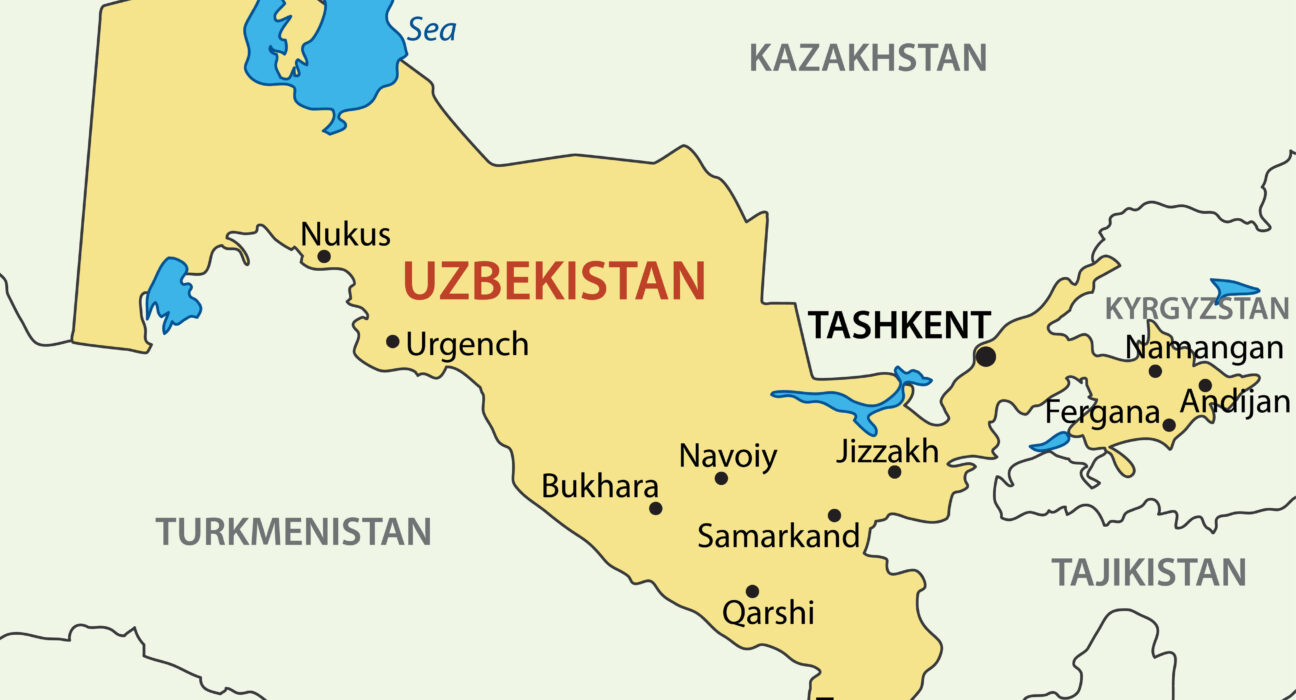
On March 1, 2026, Uzbekistan will officially launch a state rainfall induction project. The initiative, approved by President Shavkat Mirziyoyev, aims to combat drought and water shortages in the Tashkent region, drawing on the experience of France, China, and Saudi Arabia. The technique is expected to increase precipitation by 10–20%, ensuring agricultural stability, Tashkent Today reports.
However, this ambitious project has sparked heated debate due to associated environmental concerns. The primary cloud-seeding agent is silver iodide (AgI), a substance toxic to bacteria, aquatic organisms, and plants. Its accumulation in soil and water bodies leads to the death of microorganisms and poisons food chains. Furthermore, interfering with atmospheric processes may cause unpredictable microclimate changes: excess moisture in one region can result in drought in another, triggering floods, soil erosion, and uncontrolled fertilizer runoff.
The global expert community is urging caution. UN reports following the COP28 summit emphasize that climate geoengineering has the potential to trigger destructive chain reactions for biodiversity and the world’s oceans.
Therefore, the introduction of rainfall induction in Uzbekistan poses a difficult challenge for the state: finding a balance between short-term benefits for agriculture and the long-term environmental security of the region.