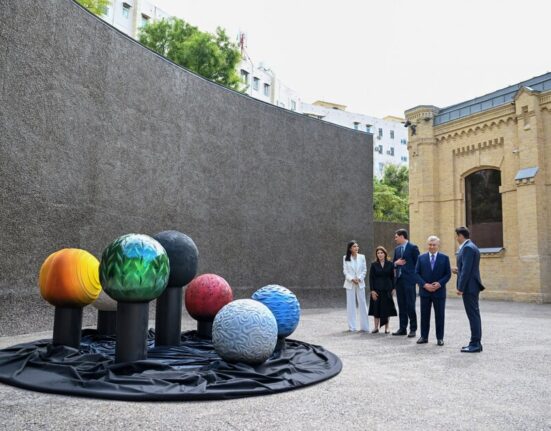
On February 12, Uzbekistan President Shavkat Mirziyoyev listened to proposals on developing the creative economy, modernizing cultural infrastructure, and establishing new creative spaces.
In Uzbekistan, the creative economy accounted for 3.7 percent of GDP in 2024, employing more than 319,000 people. The sector’s exports reached $770 million.
The fact that more than 60 percent of the population is young, combined with the rapid development of digital infrastructure and a rich cultural heritage, creates a strong foundation for accelerated growth in this sector.
Uzbekistan plans to increase the share of the creative economy in GDP to 5 percent, raise exports to $1 billion, and provide employment for more than 500,000 people in the sector by 2030.
The meeting reviewed the concept of the Creative Industries Park, which will be located in Tashkent. Its territory will feature a park, art installations, the Tashkent school of an international programming network, a book café, sports grounds, art pavilions, co-working spaces and offices, film and video production zones, a recording studio, a creative industries campus, and a hotel for youth and creative professionals. The project will be implemented as a public-private partnership.
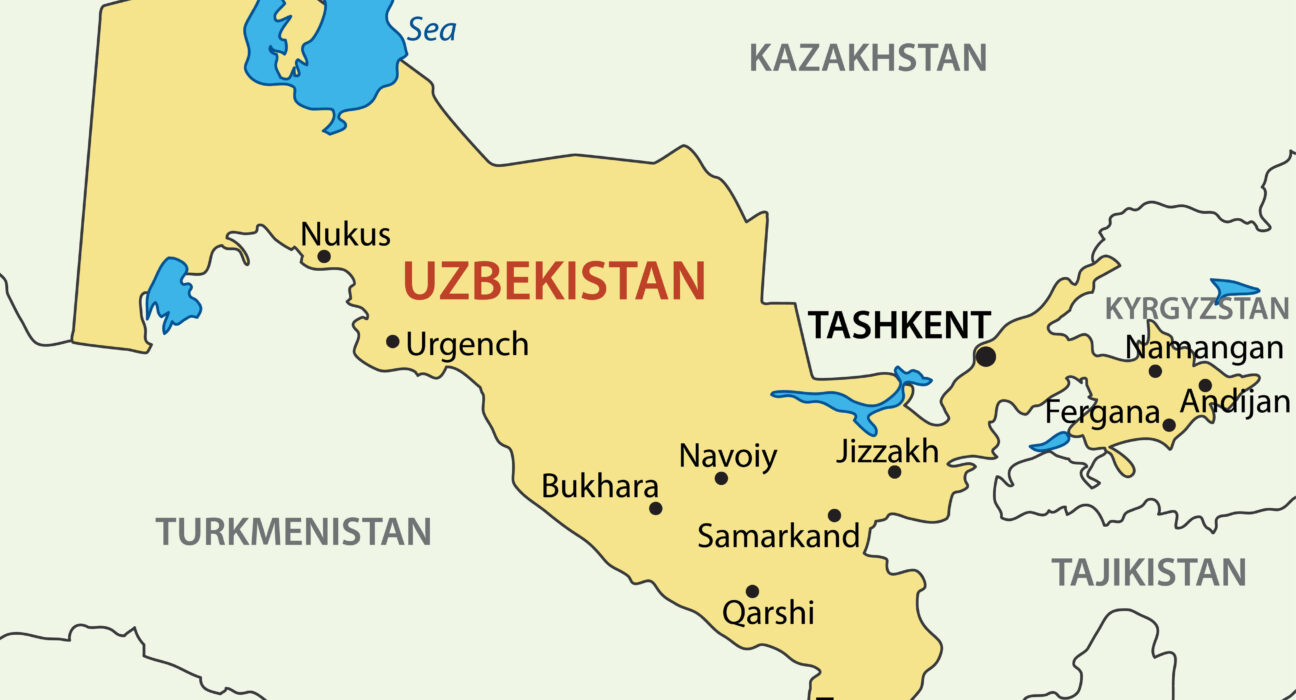
There are also plans to create creative parks in New Tashkent and the city of Nukus.
The park in New Tashkent will house rental spaces for creative residents, studios, media and conference halls, and commercial and service facilities, while the existing pavilion in Istiklol Park in Nukus will be reconstructed and transformed into a multifunctional public and cultural center.
There are plans to establish a Higher School of Traditional Arts in Tashkent. It will offer bachelor’s and master’s programs in ceramics and brickwork, decorative painting, wood carving, architectural calligraphy, geometric and biomorphic ornamentation. Instruction will be conducted in English under a two-year program. It is planned to train 50 specialists by 2027, with the institution reaching an annual graduation capacity of 80 qualified professionals by 2031.