Three environmental heavyweights took to the stage at the opening ceremony of Eco Expo Central Asia 2026 in Samarkand on 2 June: Grethel Aguilar, Director General of the International Union for Conservation of Nature (IUCN); Inger Andersen, UN Under-Secretary-General and Executive Director of the UN Environment Programme (UNEP); and Aziz Abdukhakimov, Advisor to the President of the Republic of Uzbekistan and Chairman of the National Committee on Ecology and Climate Change. Together, they emphasised their shared commitment to biodiversity conservation and climate resilience in Central Asia, and to Uzbekistan’s environmental cooperation with neighbouring nations and multilateral organisations.
Although this year’s Eco Expo showcased a range of environmental topics and technologies, dedication to biodiversity was particularly strong. The Bio Meros (“Bio Heritage”) project will be active in 27 national parks and reserves across Uzbekistan by the end of 2026, contributing significantly to Uzbekistan’s goal that 21% of the country will be within protected areas by 2030. The project’s primary focus is on the conservation of rare species, including the creation of a 100 hectare nursery for breeding saiga antelope and a reintroduction programme for the Asiatic cheetah; but eco tourism also features prominently.
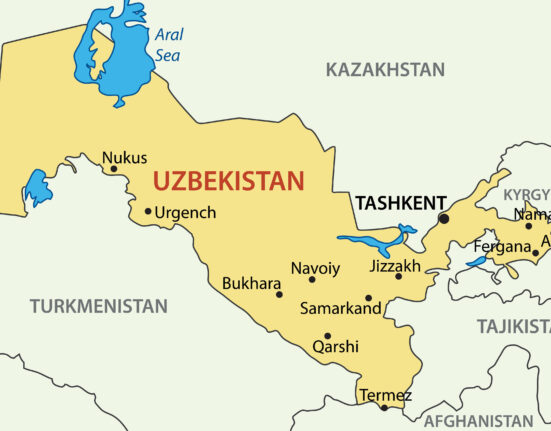
By the end of 2026, Bio Meros will have implemented the largest safari park in Central Asia; built recreational infrastructure for visitors at the Ovjasoy National Park in Tashkent Region and Zarafshan National Nature Park near Samarkand; and added 10 natural sites to the IUCN Green List. Uzbekistan’s national strategy for the implementation of the Ramsar Convention – a global environmental treaty covering wetlands of international importance, including the Sudochye Lakes system in Karakalpakstan and the Aidarkul reservoir in Navoi and Jizzakh regions – will be finished by the end of the year, which is particularly significant for the country’s native and migratory birds. There will also be a new, unified state register of natural objects and a digital atlas of biodiversity, helping eco tourists make informed decisions about where to travel in Uzbekistan.
With assistance from the Japan International Cooperation Agency (JICA), the Agency for Increasing Forests and Green Areas and Combating Desertification has established a nursery for 100+ native species of medicinal plants. The primary role of the nursery is to conduct research and cultivate drought-resistant plants, the planting of which can help boost rural economies and reclaim degraded soils. However, it is also possible for tourists with an interest in botany and herbalism to visit the nurseries and plantations to learn about the plants and their uses.
The famous Silk Road city of Bukhara is building on its reputation as an oasis city, and exhibited its plans to construct new gardens and arboretums, complementing the national botanical collections in Tashkent and Buston. These green spaces are multifunctional: they help preserve native species of flora; reduce the average temperature; improve air quality; and are tourist attractions and recreational spaces.
Attendees at the Eco Expo also had the opportunity to learn about geodiversity – the rocks, minerals, landscapes, and soils – on which all forms of life depend. Dr. Jack Matthews, consultant geologist and an assessor for the UNESCO Global Geoparks programme, met with exhibitors from the Green University, Kashkadarya Region, and others, sharing his message that “without geodiversity there would be no biodiversity”. Uzbekistan’s geoheritage is internationally significant, and there are multiple locations within the country – including the Kitob State Geological Reserve – which have the potential to become UNESCO-listed.
by Sophie Ibbotson