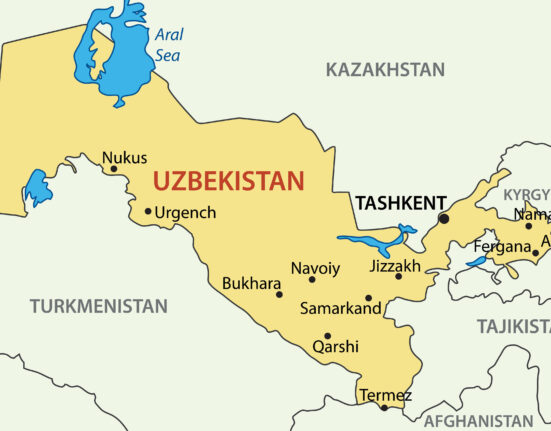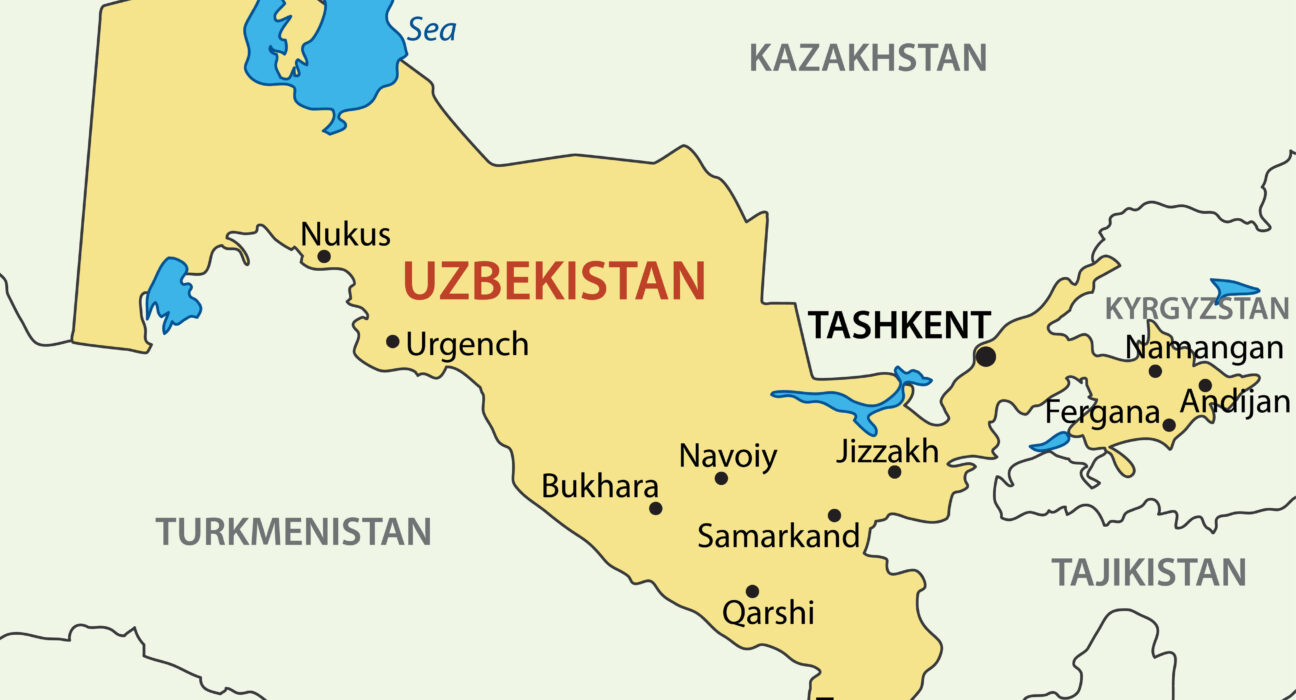
From May 30 to June 6, Samarkand became a global platform for discussing the key environmental challenges of our time, hosting the Eighth Assembly of the Global Environment Facility (GEF) and the 71st GEF Council Meeting. For the first time in history, the Assembly was held in Central Asia, bringing together representatives from 186 countries, international organizations, financial institutions, the scientific community, businesses, civil society, youth, and indigenous peoples, according to the National Committee on Ecology and Climate Change of Uzbekistan.
Hosting the forum in Uzbekistan served as a recognition of the growing role of the country and the entire Central Asian region in advancing the global environmental and climate agenda. Throughout the week, Samarkand became a space for open international dialogue on the future of sustainable development, climate resilience, biodiversity conservation, pollution control, and the transition to a green economy.
A special place on the Assembly’s agenda was given to the initiatives of the President of Uzbekistan, Shavkat Mirziyoyev, announced at the opening ceremony of the forum. In particular, the Head of State proposed an initiative to grant Samarkand the status of the “Green Capital of Investment and Innovation of Central Asia,” designed to serve as a regional platform for attracting green financing, promoting environmental technologies, developing scientific cooperation, and implementing advanced solutions in the field of sustainable development. The initiative aims to strengthen Samarkand’s role as a key center of environmental diplomacy and green transformation in the region.
Another important announcement was Uzbekistan’s decision to become a donor country to the Global Environment Facility.
Summarizing the event, the Chairperson of the Eighth GEF Assembly, Advisor to the President of Uzbekistan on Ecology, and Chairman of the National Committee on Ecology and Climate Change, Aziz Abdukhakimov, emphasized that the Assembly facilitated the advancement of the global environmental agenda, the strengthening of international partnerships, and the building of trust between countries and organizations.
“Over the past few days in ancient Samarkand, we have been able to advance the global environmental agenda, strengthen partnerships, and build trust. During the Assembly, nine high-level roundtables, over fifty side events, and dozens of bilateral meetings and expert discussions were held. The GEF Council adopted key decisions on the programmatic directions of GEF-9, the updated STAR system, the GEF work program, and the implementation mechanisms for the integrated programs of the new financial cycle,” the Chairperson noted in his closing remarks.
Abdukhakimov highlighted that the nearly complete utilization of GEF-8 resources and the approval of new programmatic decisions create a solid foundation for the launch of GEF-9, based on the integrated “Nature – Climate – Pollution” approach. Special note was made of the need to expand inclusive participation and support for local communities, including the intention to allocate at least 20 percent of GEF-9 resources to indigenous peoples and local communities.
Within the framework of the Assembly, agreements were reached on the implementation of national and regional environmental projects with a total value exceeding 80 million dollars. Furthermore, Central Asian countries agreed to jointly develop a regional program for the conservation of big cats and their ecosystems for further advancement under GEF-9.
One of the vital outcomes of the forum was the official launch of the regional Central Asia Water and Land Nexus (CAWLN) program, aimed at the sustainable management of water and land resources in the region.
The Assembly’s discussions centered on mobilizing environmental finance, expanding private sector participation, introducing innovative financial instruments, and enhancing the effectiveness of environmental investments. Special attention was paid to the preparation of the new GEF-9 financial cycle, which will define the priorities of global environmental policy for the coming years.
Participants emphasized that achieving environmental goals is impossible without systemic transformations and close coordination among states, international organizations, business, and society. Plenary sessions and roundtables addressed issues of climate resilience, biodiversity conservation, land degradation, water resource management, environmental pollution, and the transition to a circular economy.
Parallel to the Assembly, the international exhibition Eco Expo Central Asia 2026 was held in Samarkand. The venue featured over 120 pavilions, environmental startups, innovative technologies, and investment projects in the fields of sustainable development and the green economy.
Following the exhibition, agreements were reached to implement nearly 300 green projects and initiatives worth about 520 million dollars.