In settlements located near former uranium mines, the third phase of a project aimed at minimizing environmental risks, improving emergency preparedness, and strengthening the socio-economic potential of pilot communities has begun. The activities are carried out within the framework of the project “Stakeholder Engagement for Uranium Legacy Remediation in Central Asia. Phase III,” implemented by the United Nations Development Programme (UNDP) in Kyrgyzstan jointly with the Organization for Security and Cooperation in Europe with financial support from the European Union, UNDP Kyrgyzstan reports.
The project is implemented in close cooperation with the Ministry of Emergency Situations of the Kyrgyz Republic, as well as with local authorities in the pilot communities and non-governmental organizations.
“The Kyrgyz Republic is consistently advancing the agenda of reducing risks associated with the uranium legacy and strengthening environmental security in regions where tailings sites are located. In this context, strategic partnerships with international organizations and donors are especially important for us. Cooperation with UNDP, OSCE, and the European Union allows us not only to implement infrastructure and environmental solutions, but also to create conditions for sustainable socio-economic development of local communities. We view this project as an important contribution to the long-term stability, security, and development of the regions of Central Asia,” said Deputy Minister Azamat Mambetov.
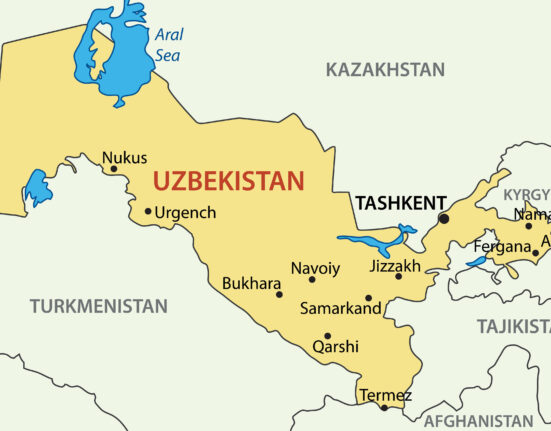
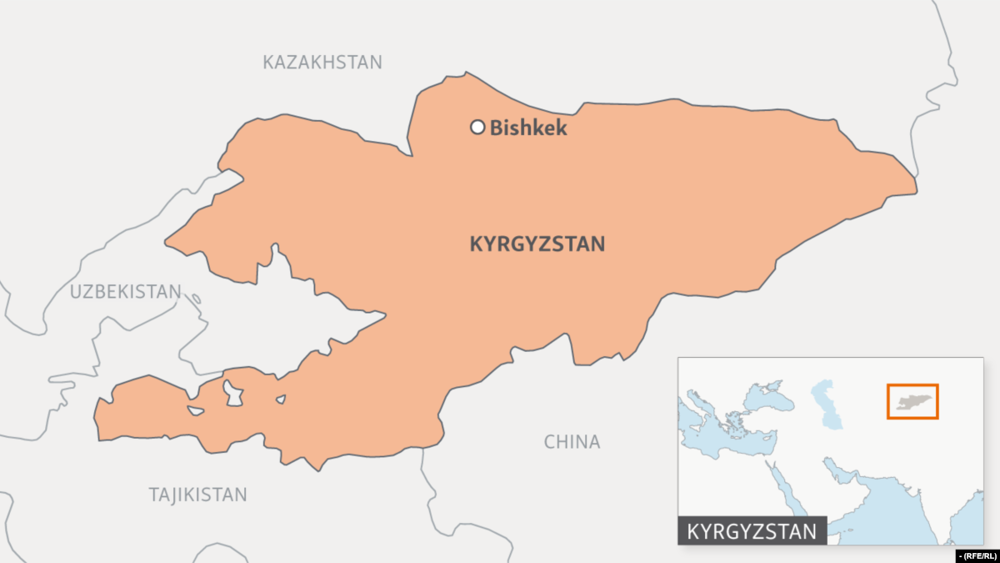
The third phase of the project covers three Central Asian countries: Kyrgyzstan, Tajikistan, and Uzbekistan. At the current stage, particular attention is given to supporting socio-economic initiatives aimed at sustainable development and strengthening the capacity of local communities.
“The European Union remains committed to promoting sustainable development and ensuring environmental security in Central Asia. Our continued support for uranium legacy remediation activities reflects our commitment not only to environmental restoration but also to the socio-economic well-being of local communities. Cooperation with the European Bank for Reconstruction and Development, the United Nations Development Programme, and the Organization for Security and Co-operation in Europe creates a solid foundation for ensuring a safer and more promising future for affected areas and neighbouring regions,” said Rémi Duflot, Ambassador of the European Union to the Kyrgyz Republic.
“Our goal is to support local communities in developing sustainable socio-economic solutions that simultaneously contribute to reducing environmental risks and strengthening the resilience of regions where uranium tailings sites are located,” noted Alexandra Solovyova, UNDP Resident Representative in Kyrgyzstan.
As part of the project, consultations are being held in the pilot communities — the city of Mailuu-Suu and the villages of Kyzyl-Jar and Min-Kush — with local authorities, civil society, and emergency response services. Participants are jointly developing initiatives to strengthen the local economy and increase community resilience.
Thanks to the financial support of the European Union, a small grants program was launched under the project, serving as a key instrument for the implementation of this phase of the initiative. To prepare potential applicants, awareness-raising meetings were held, as well as events aimed at developing entrepreneurship skills and project proposal writing.
Potential areas of initiative range from sustainable agriculture and textile production to addressing energy supply issues, improving access to basic services, and developing tourism. A number of initiatives are expected to be implemented by women and youth, who previously had been less involved in decision-making processes. This work is part of broader efforts to strengthen environmental security and promote sustainable development in regions affected by the uranium legacy. These efforts aim to build resilient and safe communities where economic development is combined with social inclusion and environmental responsibility. In the long term, the project seeks not only to reduce risks associated with the uranium legacy but also to stimulate the development of local economies, strengthen trust between citizens and authorities, and create conditions for active civic participation in shaping the future of their regions.