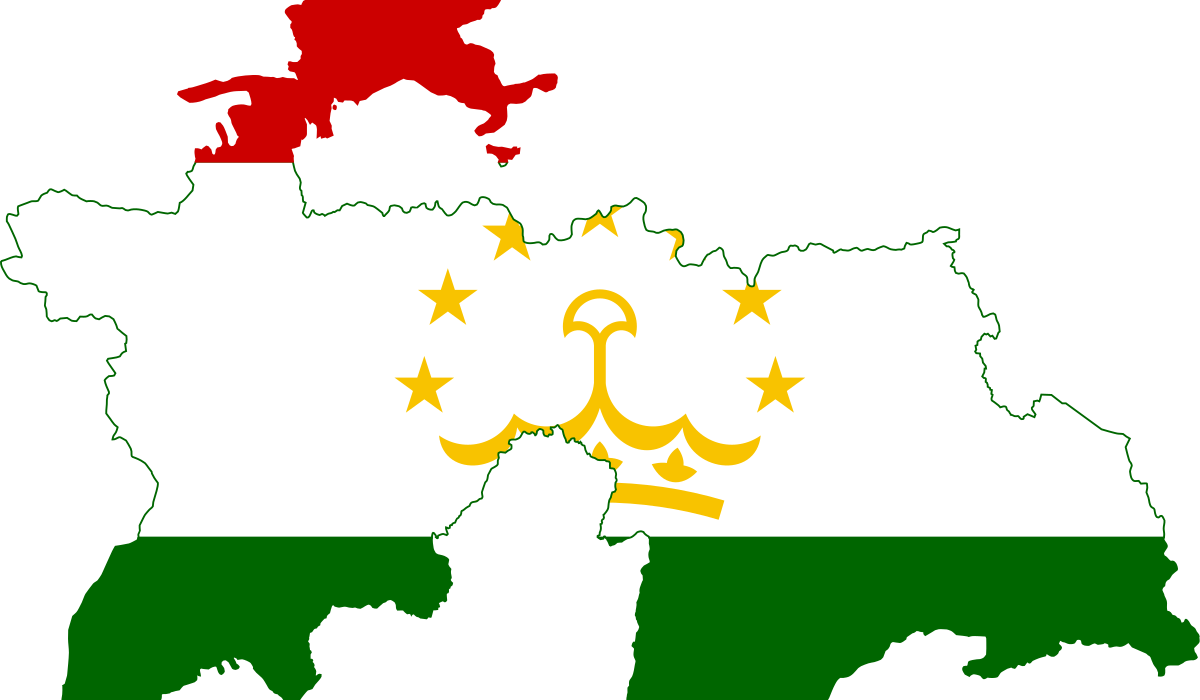
For Tajikistan, the accelerating loss of glaciers is a deeply existential issue. The country is home to more than 60 percent of Central Asia’s glaciers, which cover around 6 percent of its territory and serve as a critical freshwater source for the region. These glaciers sustain agriculture, hydropower, ecosystems, and the livelihoods of millions of people downstream, according to the United Nations Development Programme (UNDP) in Tajikistan.
The retreat of glaciers is accelerating worldwide. A global study found that since 2000, glaciers have lost around 5 percent of their total mass globally. In Central Asia, where glaciers supply water to about 70 million people, the loss is even greater—8.5 percent.
Projections from the United Nations Environment Programme (UNEP) warn that more than half of Central Asia’s glaciers could disappear by 2050 if current climate trends continue.
The impacts are already visible in Tajikistan. Over the past three decades, more than 1,000 glaciers have disappeared, threatening water security and increasing climate-related disasters. Mountain communities are particularly vulnerable, facing floods, landslides, and mudflows linked to extreme weather and glacial retreat.
UNDP supports Tajikistan in responding to these growing challenges through initiatives that strengthen climate resilience, protect fragile ecosystems, and help communities prepare for climate-related disasters. These programs help safeguard glacier-fed ecosystems while strengthening the resilience and wellbeing of the communities that depend on them.
Through the Adaptation Fund-supported Climate Adaptation of Livelihoods in the Kafirnigan River Basin project, UNDP works directly with jamoats to help them adapt to these changing realities. The initiative promotes climate-resilient water management, strengthens irrigation governance, and supports local institutions in managing water resources more sustainably.
Early warning systems, climate risk assessments, and watershed planning help communities anticipate floods, mudflows, and water shortages before they turn into disasters. By strengthening local capacity and improving water management, the project helps protect livelihoods and ensures that communities remain resilient in the face of a changing climate.
Through a GEF-funded biodiversity initiative, UNDP supports the restoration and sustainable management of forests, pastures, and protected areas across the Lower Amudarya Basin. By restoring degraded landscapes, improving biodiversity monitoring, and strengthening conservation practices, the project helps protect watersheds that sustain communities and ecosystems across the region.
These efforts not only safeguard nature but also strengthen the natural systems that communities rely on for water, livelihoods, and long-term environmental stability.
Through the European Union-funded Climate Change and Resilience in Central Asia project, UNDP helped integrate climate risks into development planning in Tajikistan’s Sughd Region and the Syr Darya River Basin. The project contributed to the development of the Syr Darya Basin Management Plan for 2026–2030 through climate risk assessments, hydrological analysis, and adaptation planning to better understand future water availability and climate impacts. At the local level, community-based early warning systems enhanced the safety of vulnerable populations in the Syr Darya River Basin of Tajikistan.
Through a regional project funded by the Government of Japan, UNDP supports cities in strengthening their resilience to climate and disaster risks. In Tajikistan, the project contributed to the development of the Dushanbe City Risk Profile, providing an evidence-based analysis of key hazards, vulnerabilities, and priority action areas.
Building on this assessment, disaster risk reduction (DRR) and climate change adaptation (CCA) measures have been integrated into Dushanbe’s Socio-Economic Development Programme for 2026–2030, helping ensure that urban planning and investment decisions are informed by climate and disaster risks. By supporting climate adaptation, ecosystem protection, disaster preparedness, and resilient development, UNDP helps Tajikistan protect water resources and strengthen the livelihoods of communities living near glacier-fed rivers. Through partnerships, knowledge, and on-the-ground action, these efforts help communities better withstand climate risks and build a more resilient future for generations to come.