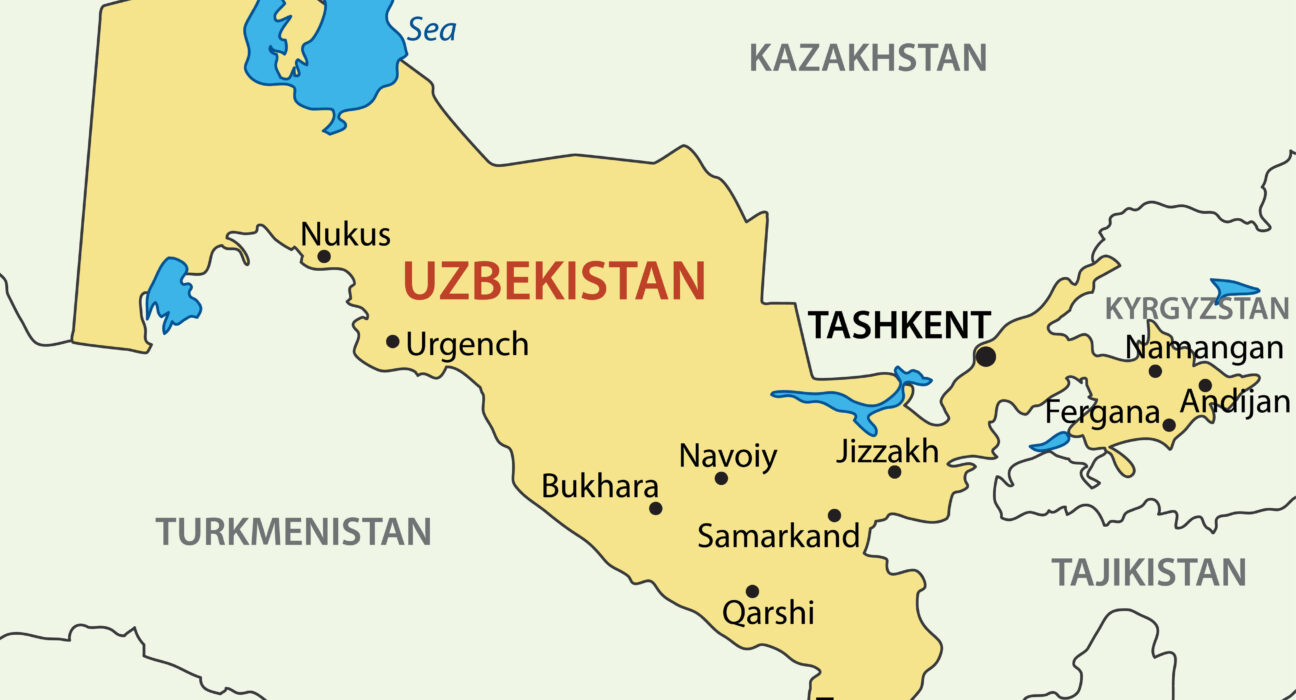
The United Nations Development Programme (UNDP), in partnership with the Ministry of Economy and Finance and with financial support from the Government of Japan, has officially commissioned five energy-efficient pilot sites in the Syrdarya and Tashkent regions. These sites, now handed over to local Khokimiyats, mark a significant step forward in Uzbekistan’s journey toward decarbonization and sustainable development, according to UNDP Uzbekistan.
The initiative introduced propane-based heat pumps, modern air conditioners, and other green innovations in public facilities, replacing outdated systems and cutting greenhouse gas emissions by 482 tons annually. These upgrades showcase scalable low-carbon solutions that can be replicated across the country.
“Through UNDP’s Climate Promise, we are committed to helping countries like Uzbekistan turn pledges into tangible impact. These pilot sites demonstrate how innovation and partnership can accelerate the transition to a low-carbon future,” said Ms. Akiko Fujii, UNDP Resident Representative in Uzbekistan.
Energy efficiency upgrades have already delivered remarkable outcomes. A family polyclinic serving 12,000 residents halved its energy consumption and improved efficiency nearly fourfold. Preschool institutions with a combined capacity of 580 children reduced cooling energy use by at least 15% and hot water consumption by more than 3.5 times. At School No. 29, modernization is expected to cut energy use by 56% and elevate its efficiency rating from “D” to “A.”
Overall, the projects are expected to save approximately USD 20,000 annually, eliminate the need for 175 tons of coal, and reduce emissions by 482 tons per year. Payback periods range from 7.5 to 26 years, underscoring both the environmental and economic benefits of these interventions.
“These sites were chosen to demonstrate practical solutions that can be scaled nationwide. They represent a model for how Uzbekistan can achieve energy efficiency and climate resilience at the country level,” noted Umid Abidhadjaev, the Deputy Minister of Economy and Finance of Uzbekistan.