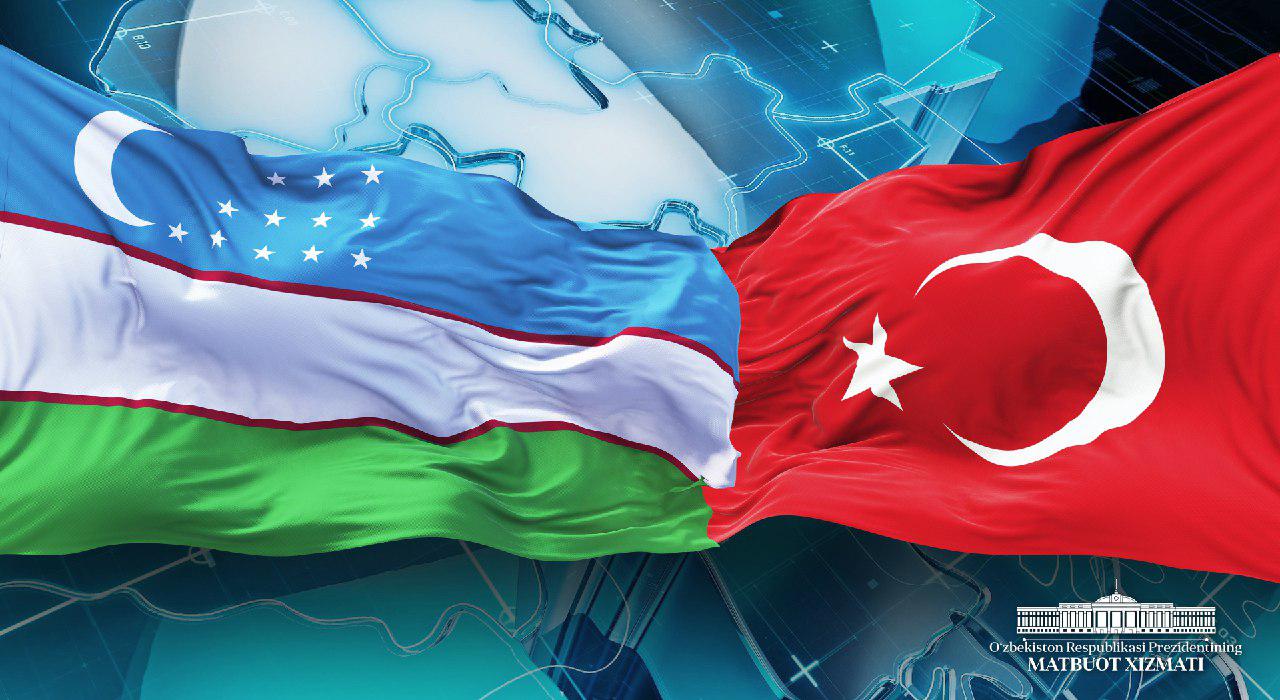
On March 13, a roundtable meeting chaired by the Minister of Investment, Industry and Trade of Uzbekistan, Laziz Kudratov, was held with more than 20 representatives of the Turkish business community in the country.
According to the Ministry of Investment, Industry and Trade, the main purpose of the meeting was to discuss issues arising in the course of Turkish investors’ activities in Uzbekistan and to develop practical solutions for their prompt resolution.
The event was attended by executives and representatives of major Turkish companies, including Anadolu, Albayrak, Ziraat Bank, Cengiz, Çalık, Aksa, Eczacıbaşı Esan, OSTIM, and Nobel.
The Turkish side highly appreciated the attention given to investors by the President of Uzbekistan, as well as the ongoing efforts to promptly address issues arising during the implementation of investment projects. It was noted that such an open dialogue format between the government and the business community is practiced only in a limited number of countries.
During the meeting, practical aspects of the activities of Turkish companies were discussed, including product labeling, infrastructure provision, and regulation of labor relations.
In addition, Turkish entrepreneurs presented proposals aimed at further improving the investment climate, including the development of the banking and financial sector, construction, energy, workforce training, pharmaceuticals, and industrial zones.
Following the meeting, responsible officials were designated and instructions were issued to ensure the prompt resolution of the issues raised.
Trade and economic cooperation between Uzbekistan and Türkiye is developing dynamically. Over the past five years, bilateral trade has increased from $2.5 billion in 2020 to $3 billion. The number of joint ventures has grown from 613 in 2020 to 2,149. The volume of Turkish investments has increased 4.5-fold, reaching $3.1 billion in 2025. Approximately 100 flights per week operate between the two countries.
Currently, projects with Turkish investments worth about $10 billion are being implemented in sectors such as energy, geology, construction materials production, agriculture, healthcare, and other industries.