
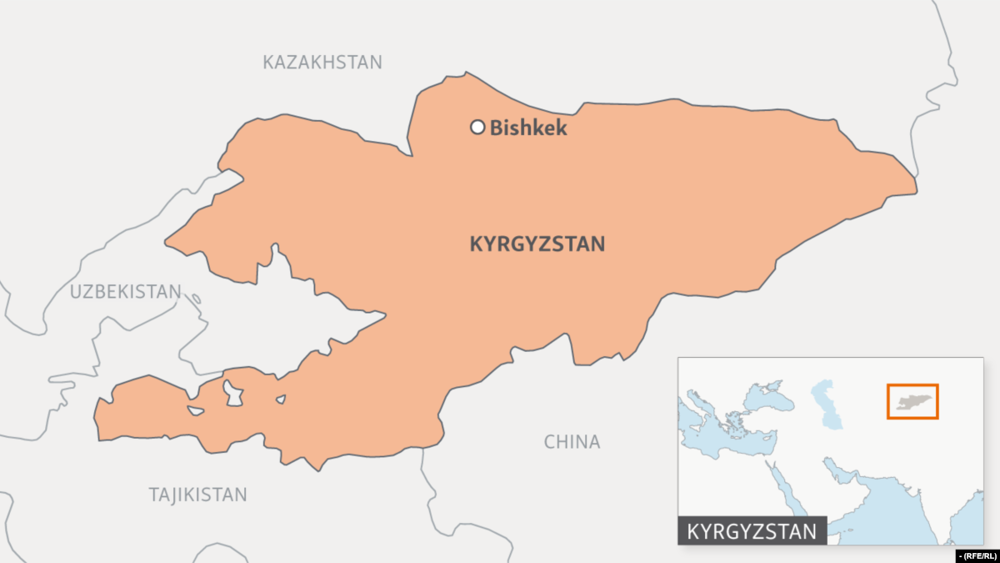
On May 21-23, government representatives, international organizations, tourism professionals, civil society organizations, and local communities gathered in Min-Kush village for the Touristic Forum “Development of Min-Kush Village through Sustainable Tourism – Revival of Forgotten Cities,” UNDP in Kyrgyzstan reported.
The forum served as a platform to discuss sustainable tourism, local economic development, and new opportunities for communities located near uranium legacy sites in Kyrgyzstan.
The event was organized by the Office of the Plenipotentiary Representative of the President of the Kyrgyz Republic in Naryn region, the Jumgal State Administration, the Min-Kush local government, and NGO “Destination Min-Kush,” in cooperation with the State Agency for Tourism Development under the Cabinet of Ministers of the Kyrgyz Republic, the OSCE Programme Office in Bishkek, and the United Nations Development Programme (UNDP) in the Kyrgyz Republic, with financial support from the European Union.
The forum was held within the framework of the regional project “Stakeholder Engagement for Uranium Legacy Remediation in Central Asia” (Phase III), jointly implemented by the OSCE Programme Office in Bishkek and UNDP with the support of the European Union.
“All the activities of this three-day event were organized to develop the tourism and sports potential of the Min-Kush rural area. We firmly believe that these initiatives will pave the way for the future development of Min-Kush and help transform it into a modern tourism hub,” said Nurbek Satarov, Plenipotentiary Representative of the President in the Naryn Region.
“Within this partnership, UNDP’s contribution focuses on supporting local communities living near uranium legacy sites. Our work is centered on people — on strengthening community participation, supporting local initiative, and helping residents identify practical ways to improve livelihoods and quality of life. One important element of UNDP’s work is grant support for local initiatives. Through this approach, communities, civil society organizations, women, youth, local groups, and small entrepreneurs can propose and implement practical ideas that respond to local priorities,” said Patrick Haverman, UNDP Kyrgyzstan Deputy Resident Representative.
Founded in 1947 as a uranium mining settlement, Min-Kush today represents both a complex industrial legacy and emerging opportunities for sustainable local development. The village is currently undergoing rehabilitation efforts supported by the Government and international partners to address the environmental consequences of uranium mining.
Forum participants discussed how sustainable tourism can contribute to economic diversification, support local entrepreneurship, strengthen mountain livelihoods, preserve cultural and natural heritage, and create new opportunities for women and youth in remote regions. UNDP also highlighted its grant support mechanism for local initiatives in communities located near uranium legacy sites. Through small grants, local civil society organizations, women’s groups, youth initiatives, artisans, and entrepreneurs are supported in implementing practical community-driven projects aimed at improving livelihoods, strengthening environmental awareness, preserving local heritage, and encouraging local economic activity.


