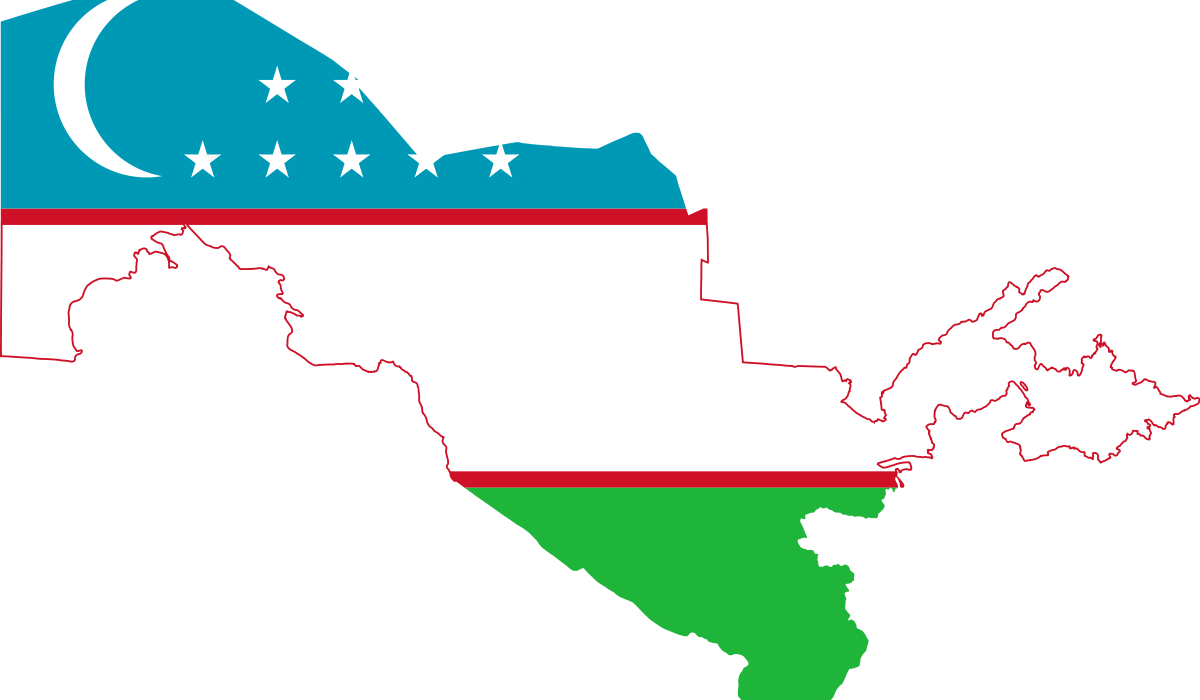
Uzbekistan’s economy demonstrated remarkable strength in 2025. Driven by robust consumption and investment, real GDP growth reached 7.7 percent, while the unemployment rate declined by 0.7 percentage points to 4.8 percent, the International Monetary Fund (IMF) said in a statement following the 2026 Article IV Mission to Uzbekistan.
According to the IMF, growth was broad‑based, with services and construction expanding the fastest. Despite strong domestic demand, headline CPI inflation declined to 7.3 percent year‑on‑year at end‑2025, from 9.8 percent a year earlier, reflecting fading effects of the May 2024 energy price increases, a 6.9 percent appreciation of the soum against the U.S. dollar, and an appropriately tight monetary policy stance. Core inflation also fell over the same period, by 1.5 percentage points. The current account deficit narrowed to 3.9 percent of GDP, as strong commodity and non‑commodity exports and remittance inflows outpaced imports. International reserves remained ample, at around 13 months of imports.
The economic outlook remains favorable, although clouds are increasing over the global economy from the impact of the war in the Middle East. Supported by ongoing reforms, sustained investment, buoyant remittances, and higher gold prices, real GDP growth is projected to remain resilient at 6.8 percent in 2026. As domestic demand gradually eases, growth is expected to moderate to around 6 percent in 2027.
Inflation is projected to remain above the Central Bank of Uzbekistan’s (CBU’s) 5 percent target in 2026, reflecting in part high global oil prices associated with the Middle East war, with the impact expected to be mitigated by slower increases in administered prices and temporary transport subsidies. Inflation is expected to reach the CBU’s target in 2027, supported by a tight monetary policy stance, continued structural reforms, and easing oil prices.
The IMF recommends that monetary policy should remain firmly focused on reducing inflation to the CBU’s 5 percent target. The CBU has appropriately held the policy rate at 14 percent since March 2025, maintaining strongly positive real interest rates. Keeping the policy stance sufficiently tight is critical given ongoing inflationary pressures from strong domestic demand and rising oil, food, and logistics costs stemming from the war in the Middle East.
Accelerating reform of the state‑owned enterprise sector is critical to raising total factor productivity and investment, thereby supporting growth and private sector development.
Continued advancement of governance, labor, and climate reforms remains paramount.
Labor market reforms should focus on addressing key structural challenges, including low female labor force participation, high informality, and skill mismatches. Climate objectives need to be further integrated into public investment management to enhance energy efficiency and advance decarbonization and climate adaptation. Further strengthening market regulation and competition is essential to raise efficiency and support private sector development. Activating sector regulators, eliminating exclusive rights in key sectors, and completing WTO‑related reforms would help boost private investment and strengthen competition.