The World Bank Group’s Board of Directors on May 14 discussed a new Country Partnership Framework (CPF) for Kazakhstan for fiscal years 2026–2031, aimed at supporting the country’s transition toward a more diversified, competitive, and resilient economy.
The framework is structured around three outcomes: 1) strengthening connectivity and infrastructure services; 2) enhancing resilience through improved natural resource management; and 3) fostering a strong enabling environment for private sector development. A cross-cutting priority is expanding private sector participation in the economy as a driver of sustainable growth and jobs.
Through its national development and sectoral programs, Kazakhstan is advancing a new generation of reforms to improve transport and digital connectivity, strengthen natural resource governance, and create higher-quality jobs for the country’s growing young population.
“Kazakhstan has the ambition, institutional foundations, and natural resources needed to reach its development goals,” said Andrei Mikhnev, World Bank Country Manager for Kazakhstan and Turkmenistan. “This CPF is designed to unlock Kazakhstan’s potential by combining financing, global knowledge, and policy support while leveraging private sector financing and partnerships.”
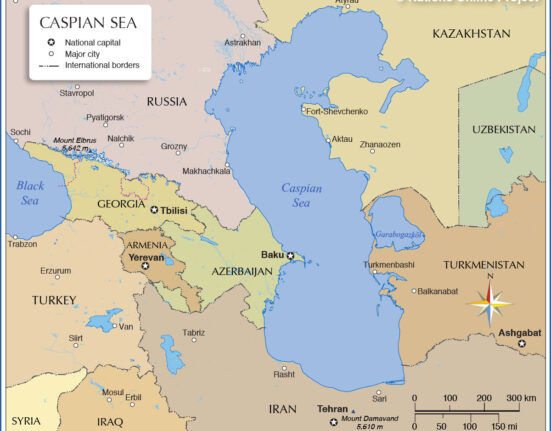
The CPF will support Kazakhstan’s role as a key part of the Trans-Caspian International Transport Route (Middle Corridor). It will also promote diversification and sustainability of the energy system, expand digital connectivity, and help address environmental challenges, including water scarcity, land degradation, and the deterioration of the Aral and Caspian seas.
The new partnership framework leverages the full range of World Bank Group institutions — the International Bank for Reconstruction and Development (IBRD), IFC, and the Multilateral Investment Guarantee Agency (MIGA) — in a coordinated approach to combine public financing, private investment, and risk mitigation instruments, with the aim of maximizing development impact and mobilizing private capital at scale.