Kazakhstan’s Ministry of Water Resources and Irrigation has launched an environmental campaign, “Möldir Bülak” (Clean Spring) to clean water springs across the country.
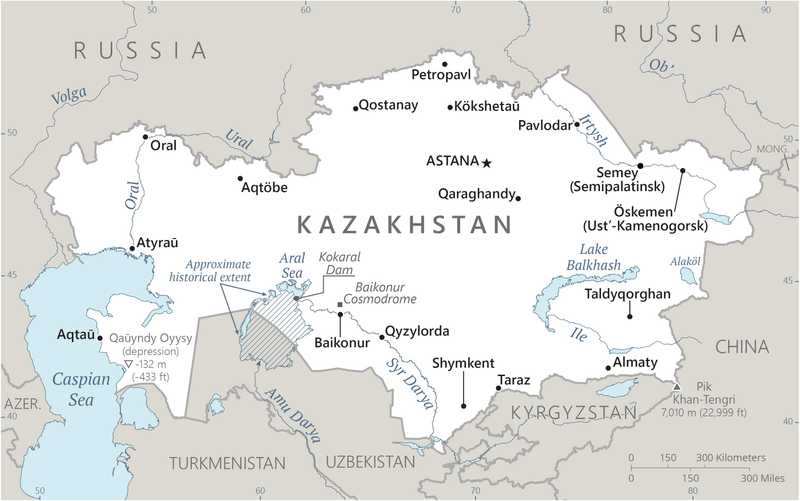
The campaign began with cleaning 28 springs in the southern regions—Shymkent, Almaty, Zhambyl, Kyzylorda, Turkestan, and Zhetisu. Approximately 3,800 people, including dozens of volunteers and students, participated. They cleaned the springs’ natural outlets, removed debris, and planted tree saplings in the surrounding areas.
At the ministry’s initiative, the first volunteer movement in the water sector, “Bolashaktyn Kainary,” has been established in the Zhambyl region. It includes students from the Kazakh National University of Water Management and Irrigation in Taraz. Similar volunteer groups are planned for other regions of the country.
The movement will not limit itself to participating in environmental campaigns but will also contribute to systematic efforts to promote water conservation and foster an environmental culture in society.
Currently, the Kazhydrogeology National Hydrogeological Service is conducting an inventory of all springs in Kazakhstan. To date, 711 potential springs have been identified, and a map of 2,772 springs has been compiled using archival materials. Springs are considered an additional source of water supply in conditions of water shortages.
By 2027, the Ministry of Water Resources and Irrigation plans to conduct exploration work to identify new groundwater sources in five regions of the country: Akmola, West Kazakhstan, Kostanay, Zhetisu, and Ulytau. This work is aimed at expanding the groundwater resource base and providing additional water supply sources for settlements, agriculture, and economy sectors.
In total, 4,803 groundwater deposits have been explored in Kazakhstan, intended for drinking water supply, irrigation, and industrial needs. Usable groundwater reserves amount to 43.2 million m³ per day, while approximately 1.5 million m³ per day, or 3% of the total, are being used now. Of the proven reserves, 21.2 million m³ per day can be used for drinking water supply, 2.4 million m³ per day for industrial and technical needs, and 19.6 million m³ per day can be used for irrigation.
“In the context of increasing water resource shortages and climate change, developing groundwater potential is a key area for ensuring sustainable water use,” said Talgat Momyshev, Deputy Minister of Water Resources and Irrigation.