On August 25, President Shavkat Mirziyoyev attended a ceremony marking the commissioning of new facilities across the country ahead of the 35th anniversary of Uzbekistan’s independence. By pressing a symbolic button, the President officially commissioned 72 major investment projects and 91 social facilities.
The President stated that over the past ten years, Uzbekistan’s economy has grown more than 2.5-fold. The country has attracted $160 billion in foreign investment, 2,163 major industrial projects worth a total of $76 billion have been commissioned, and around 6 million people have secured permanent employment.
“We are transitioning from a country focused on exporting raw materials to an economy capable of bringing finished products to global markets through deep processing of raw materials. Most importantly, alongside new enterprises, new technologies, new professions, and highly skilled jobs are emerging,” the Head of State noted.
This year alone, 56 major modern industrial and service facilities with a total value of $1.7 billion have been commissioned, creating 8,800 high-income jobs.
In addition, 385 schools, 113 kindergartens, 81 hospitals, 7,500 kilometers of roads, and 3,200 kilometers of water supply and sewerage networks have been built, repaired, or reconstructed.
As part of the ceremony, 72 major industrial and service projects and 91 social facilities with a total value of about 50 trillion soums were commissioned across the country, creating 15,000 jobs.
The investment projects cover such important sectors as energy, agriculture and the food industry, metallurgy, automotive manufacturing, electrical engineering, building materials, mining, textiles, and light industry.
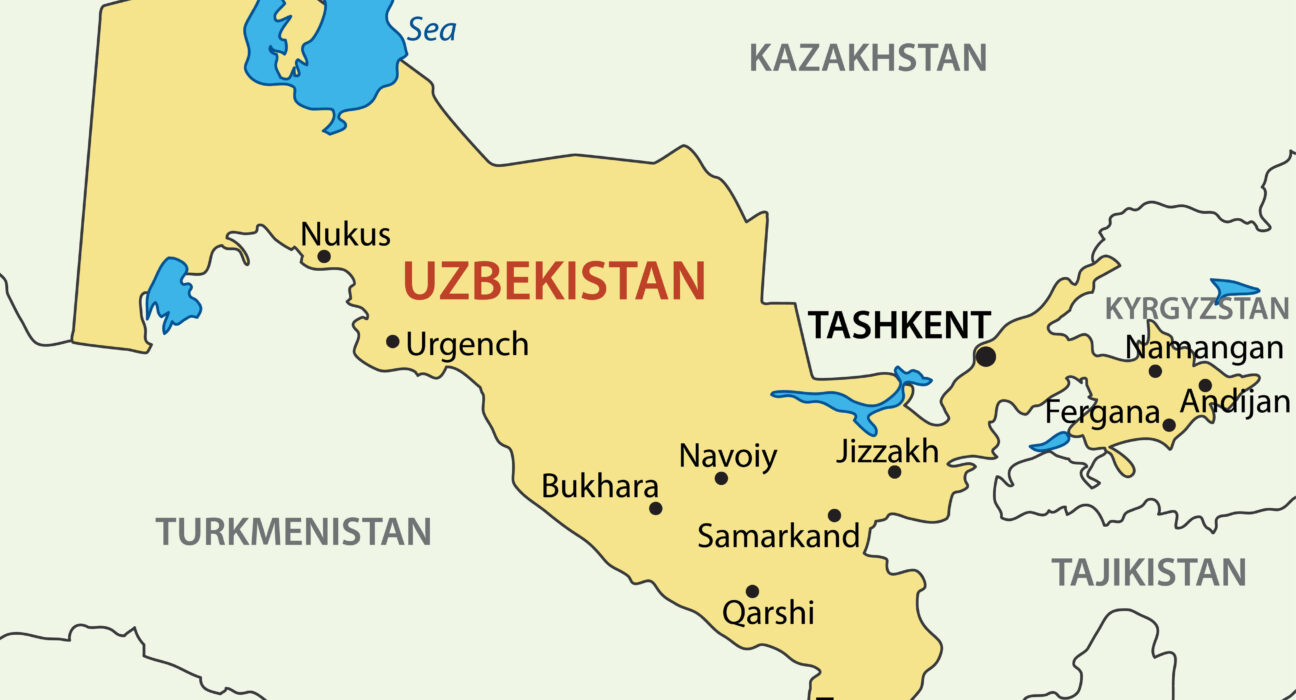
In particular, generating facilities with a total capacity of 1,573 megawatts have been commissioned in Sirdaryo region, while a 200-megawatt wind power plant and a 100-megawatt energy storage system have been put into operation in the Republic of Karakalpakstan. New energy projects in Navoi region will generate 657 million kilowatt-hours of electricity annually.
The projects also include new production facilities that will significantly increase the country’s export potential. Textile, knitwear, and carpet manufacturing enterprises commissioned in Andijan, Namangan, and Jizzakh regions will generate millions of dollars in exports. New metallurgical enterprises established in Samarkand and Tashkent regions will also contribute to expanding industrial cooperation and import substitution.
The new social facilities include 36 kindergartens, 43 schools, 7 higher education institutions, and 3 hospitals.