On December 16, under the chairmanship of President Shavkat Mirziyoyev, a meeting was held dedicated to the comprehensive socio-economic development of Tashkent, improving the urban environment, and creating decent living conditions for its population.
It was noted that Tashkent has undergone significant changes in recent years.
Over the past nine years, more than $20 billion in foreign direct investment has been attracted to the city’s economy, and around 5,000 large projects have been implemented. Foreign direct investment per capita increased from $71 in 2017 to $2,200.
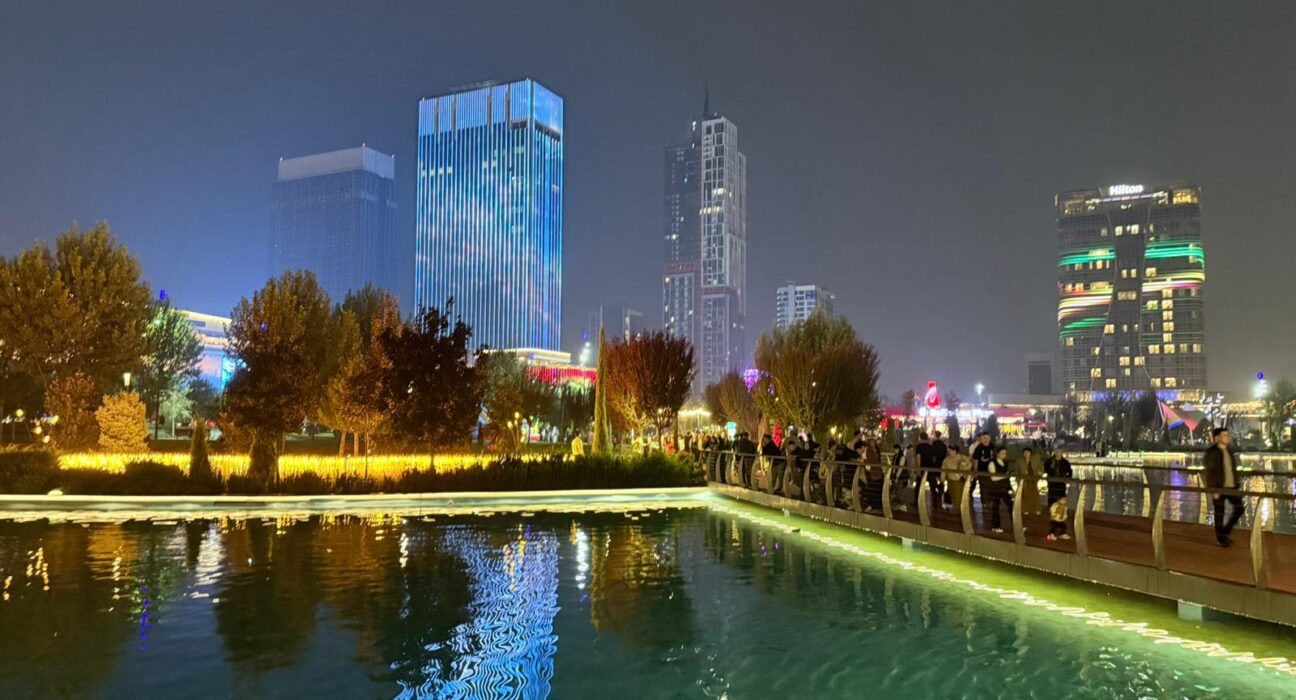
Extensive constructive work, the introduction of new trade, service, and entertainment facilities have given impetus to the development of the “night economy”. The number of 24-hour trade and service facilities has exceeded 3,000.
Tashkent has received 1,000 modern buses, and 168 new routes have been opened. Additionally, 33 kilometers of metro lines and 21 new stations have been constructed.
The capital’s economy has grown 2.5 times over the past nine years, and this year it is expected to reach $27 billion. Per capita income has increased from $4,400 to $8,600.
The city’s permanent population increases by an average of 100 thousand people annually and, according to forecasts, will exceed 3.5 million by 2030.
The head of state proposed a number of new initiatives.
“City leaders need to change their approach to addressing environmental issues, creating high-income jobs, and ensuring effective management—issues that are particularly important to the population. 2026 will be declared The Year of Accelerated Development and Income Growth for Tashkent. A large-scale program will be launched to implement this initiative,” stated the President.
This year, 26 streets in the capital have been converted to operate 24/7. With 1,200 trade and service facilities located on these streets, 5,000 residents earned income. Next year, the goal is to create 18 more such streets.
Tashkent will establish a unified transport management center. It will analyze traffic and pedestrian flows on every street and intersection using artificial intelligence, helping to prevent congestion and road accidents.
The importance of environmental issues in the capital continues to grow. Projects are to be prepared and construction started for artificial lakes and ponds in four city zones. By June 1, each district will have three shaded 5-kilometer walking streets.
In 2026, 18.5 kilometers of canal banks will be strengthened, with the simultaneous creation of green zones and walking spaces.
Seventeen rainwater collection facilities will be built, which are planned to be used for watering trees and green areas.